

Traditional drapes have grown to be an essential answer for those seeking peace and quiet in noisy environments. Whether it's for your house office, family area, taking facility, or professional room, selecting the best noise canceling curtains (rideaux anti bruit) will make a breathtaking huge difference in noise get a handle on and overall comfort. But how do you guarantee you're choosing the right selection for your requirements? That website can separate it down, displaying essential advantages and factors to take into account when making your selection.
Why You Require Traditional Curtains
Audio curtains present far more than simply aesthetic appeal. Their primary position is to absorb noise and reduce noise pollution, enhancing your quality of life or work. Here are a few significant benefits of traditional drapes:
Remarkable Sound Reduction
Audio drapes are particularly designed to reduce sound dunes, making them suitable for loud urban surroundings or places requiring sound insulation. They help stop undesirable looks from traffic, neighbors, or additional machinery.
Improved Output and Focus
By reducing distracting sound, these drapes create a more favorable setting for perform, study, or relaxation. They are especially helpful in house practices, study rooms, or coworking spaces.
Improved Privacy
Acoustic curtains prevent noise from escaping, ensuring personal talks stay confidential. This is very helpful in counselingcenters, boardrooms, or particular living spaces.
Power Efficiency
Several acoustic drapes dual as thermal insulators, maintaining areas colder in summer and hotter all through winter, which can minimize power costs.
Greater Rest Quality
Noise disturbances may affect relaxing sleep. Audio curtains build a calmer bedroom atmosphere, selling uninterrupted sleep cycles.
Given that we have covered the benefits, here's tips on how to decide on the ideal audio curtain for the specific needs.
Important Factors to Consider When Selecting Acoustic Curtains
1. Realize Your Soundproofing Needs
The first step is to ascertain the amount of sound reduction you require. If you're creating a recording business or home theatre, try to find curtains with larger noise assimilation ratings. For residential spots, light acoustic curtains may possibly suffice to reduce normal noise.
2. Material Composition
Acoustic curtains are typically created using thick, large materials like cotton, fiberglass, or velvet. Weightier materials absorb more noise, so prioritize possibilities offering multilayered construction for optimum performance.
3. Curtain Depth and Weight
The thicker and heavier the layer, the better its soundproofing ability. Guarantee the fabric's fat suits the degree of padding you need. Heavier drapes are good at absorbing low-frequency appears while also giving better heat insulation.
4. Space Measurements and Layer Size
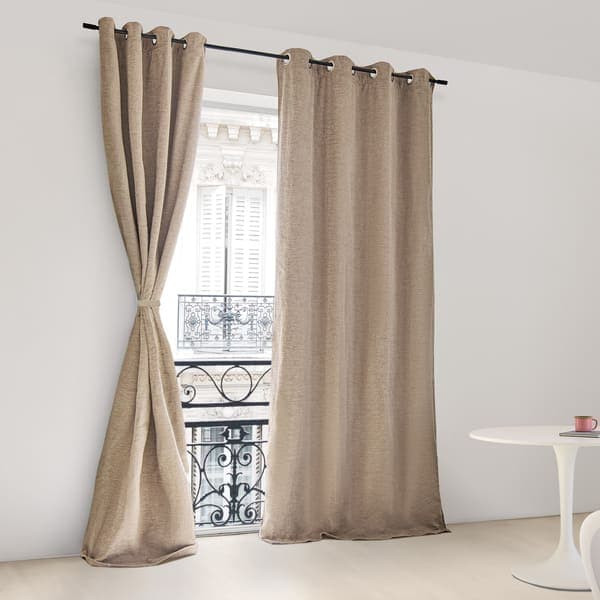
Evaluate the location you want to protect carefully. Audio curtains must certanly be greater and more than your windows or surfaces for optimum sound reduction. Floor-to-ceiling installment is usually the most effective configuration for noise absorption.
5. Cosmetic Preferences
While acoustic operation is important, do not neglect the design. Curtains are part of your design, so choose a shade, consistency, or structure that suits your interior. Many traditional drapes available on the market combine design with function, ensuring you don't have to sacrifice look for performance.